
May 30, 2026
All Pro Coverage
Common E&O Insurance Claims For Home Inspectors & Liability Reduction
Common Claims In Home Inspection E&O Insurance: How Inspectors Can Reduce Their Liability Exposure
Errors and omissions (E&O) insurance for home inspectors is crucial for protecting against claims of negligence, inadequate services, or mistakes during inspections. Even the most diligent inspectors can face lawsuits due to various factors, including misunderstandings or overlooked details during inspections. Understanding the types of claims most commonly filed against home inspectors and how to mitigate those risks can help inspectors maintain their reputation and avoid costly legal battles.
What Is E&O Insurance For Home Inspectors?
Errors and omissions insurance, also known as professional liability insurance, protects home inspectors against claims arising from negligence or errors during the inspection process. It covers legal defense costs, settlements, and judgments if a client files a lawsuit alleging that the inspector made an error or missed something important during the inspection.
For home inspectors, having robust E&O insurance is essential to protecting their business and personal assets. However, understanding the most common claims and learning how to prevent them can help inspectors avoid relying on their insurance.
What Types Of Claims Are Most Common In Home Inspection E&O Insurance?
Home inspectors are at risk for several types of claims, each involving different aspects of the inspection process. Here are the most common claims:
1. Missed Or Undetected Issues
One of the most common claims filed against home inspectors is the failure to detect a significant issue during the inspection. This could include undetected mold, faulty wiring, structural damage, or plumbing issues. Homeowners may claim that these issues were present at the time of the inspection and should have been identified by the inspector.
How To Reduce Exposure:
- Thorough Inspections: Inspectors should follow a detailed checklist and use appropriate tools for a comprehensive inspection. Attention to detail is key.
- Continuing Education: Regularly attending training programs and staying up to date with industry standards can help inspectors spot issues that might otherwise go unnoticed.
- Clear Reporting: Provide detailed, clear, and comprehensive reports that document everything inspected, including any inaccessible or non-critical areas.
2. Inaccurate Or Incomplete Reporting
Some claims arise when an inspector’s report fails to accurately reflect the conditions of the property or leaves out essential details. A vague or incomplete report can lead to misunderstandings with clients who believe that they were misled or didn’t receive the full information about the property’s condition.
How To Reduce Exposure:
- Detailed Documentation: Provide a thorough written report, including photographs and clear descriptions of all findings. Use checkboxes and highlight areas of concern to avoid any misunderstandings.
- Clear Communication: If something is outside the scope of the inspection, make sure to communicate this clearly to the client and explain why certain issues were excluded.
- Use Standardized Templates: Using an industry-standard inspection template ensures consistency and completeness in reports.
3. Failure To Identify Hazardous Materials
In certain cases, inspectors may fail to identify hazardous materials such as asbestos, radon, or lead paint. This oversight can lead to significant legal claims, especially if the buyer’s health or safety is compromised.
How To Reduce Exposure:
- Specialized Inspections: Always advise clients on the need for specialized testing when applicable (e.g., radon or asbestos testing). Inspections should include areas that may require further testing.
- Referral to Experts: For hazardous materials or specialized concerns, it’s a good practice to refer clients to licensed professionals who can conduct the necessary tests.
4. Client Misunderstanding Of Scope Of Inspection
Sometimes, clients may misunderstand what a home inspection includes, leading to claims that the inspector missed something. For example, a client might assume that the inspector would check the condition of appliances or the sewer system, but these may not be part of the standard inspection scope.
How To Reduce Exposure:
- Clear Expectations: Always clearly communicate what is and isn’t included in the inspection. This should be outlined in the contract and verbally explained to clients before the inspection.
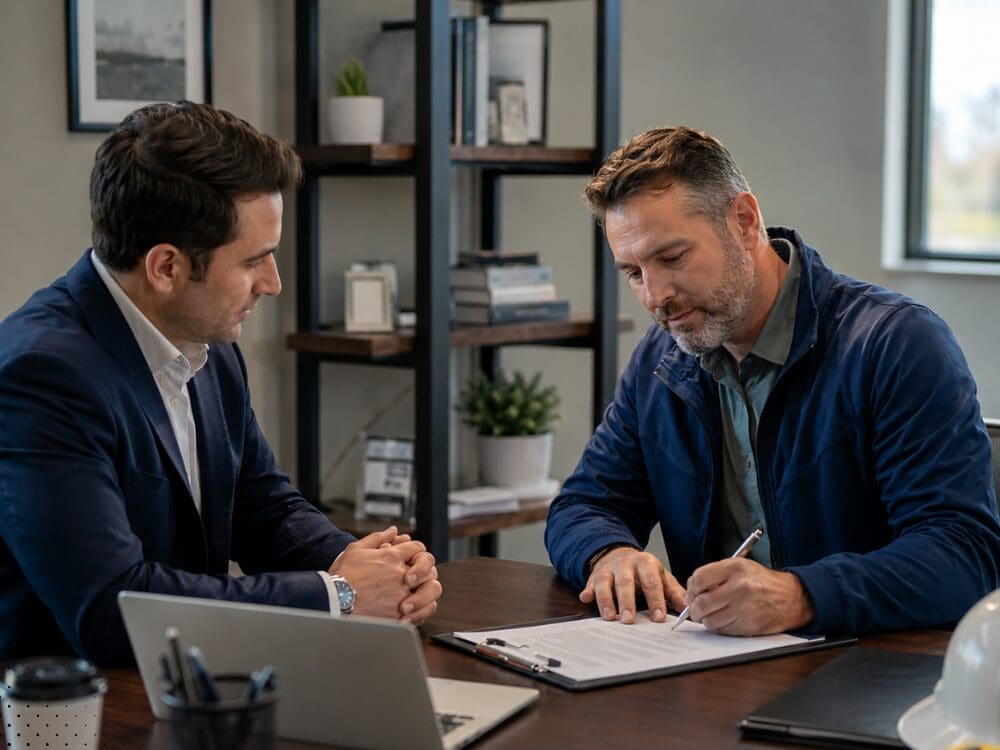
- Written Agreements: Ensure clients sign a clear, concise contract that outlines the scope of work, limitations, and exclusions.
- Education: Take time to educate clients on what to expect from the inspection process, including which areas will be covered and why certain areas are excluded.
 How Can Home Inspectors Reduce Their Liability Exposure?
While claims are an unfortunate reality, there are several strategies that home inspectors can implement to reduce their liability exposure and minimize the risk of lawsuits.
1. Invest In Proper Training And Certification
Investing in education and obtaining certifications from recognized industry bodies, such as InterNACHI, ASHI, and other reputable organizations, can significantly reduce liability exposure. Continuous learning ensures that inspectors are up to date with the latest standards, technologies, and practices, helping minimize the risk of overlooking critical issues during an inspection.
2. Maintain Detailed And Thorough Records
The best defense against claims is comprehensive documentation. Ensure that every inspection is well-documented, including detailed written reports, photographs of the property, and notes on inaccessible areas. Providing a clear, comprehensive, and transparent report can help protect you if a claim arises.
3. Use Comprehensive Waivers And Contracts
Having clients sign a waiver or contract that clearly outlines the scope of the inspection can help prevent misunderstandings. A well-written agreement sets clear expectations for both parties by specifying what is included and excluded from the inspection, helping protect the inspector from future claims.
4. Consider Purchasing Additional Insurance
In some cases, home inspectors may want to add additional coverage beyond basic E&O insurance. For example, general liability or commercial property insurance may provide broader protection. It’s a good idea to discuss your specific needs with an insurance professional who understands the risks of the home inspection business.
5. Practice Effective Communication With Clients
Clear communication is key. Always explain the inspection process, the limitations, and what clients can expect from the report. If something is outside the scope of the inspection, such as a specific system or component, make sure to inform the client beforehand.
While no one can completely eliminate the risk of legal claims, home inspectors can reduce their exposure by staying informed, practicing thorough inspections, maintaining clear documentation, and effectively communicating with clients. By following best practices and investing in comprehensive E&O insurance, inspectors can protect themselves and their businesses from potentially costly lawsuits.
📞 Call (888) 858-1777 or visit www.allprocoverage.com to schedule.
Categories: Premium